The Hawaiian Islands are lined with golden beaches and surrounded by crystal-clear waters that hide a world teeming with marine life. Snorkeling is your ticket to that world. Just remember to always observe Hawaiʻi’s wildlife from a respectful distance and never touch or disturb marine animals or coral.
Reminder: Snorkeling is a fun and rewarding way to explore Hawaiʻi’s waters, but it can be dangerous. Make sure you have proper equipment, check weather and ocean conditions, and when in doubt, don’t go out.
READ MORE: Get Expert Safety Tips from the Honolulu Ocean Safety Department
1. Hanauma Bay Nature Preserve, Oʻahu

Photo: Grace Maeda
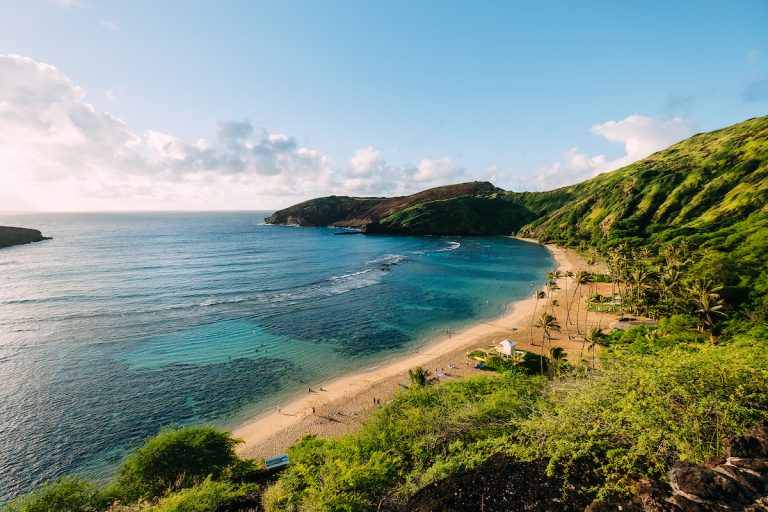
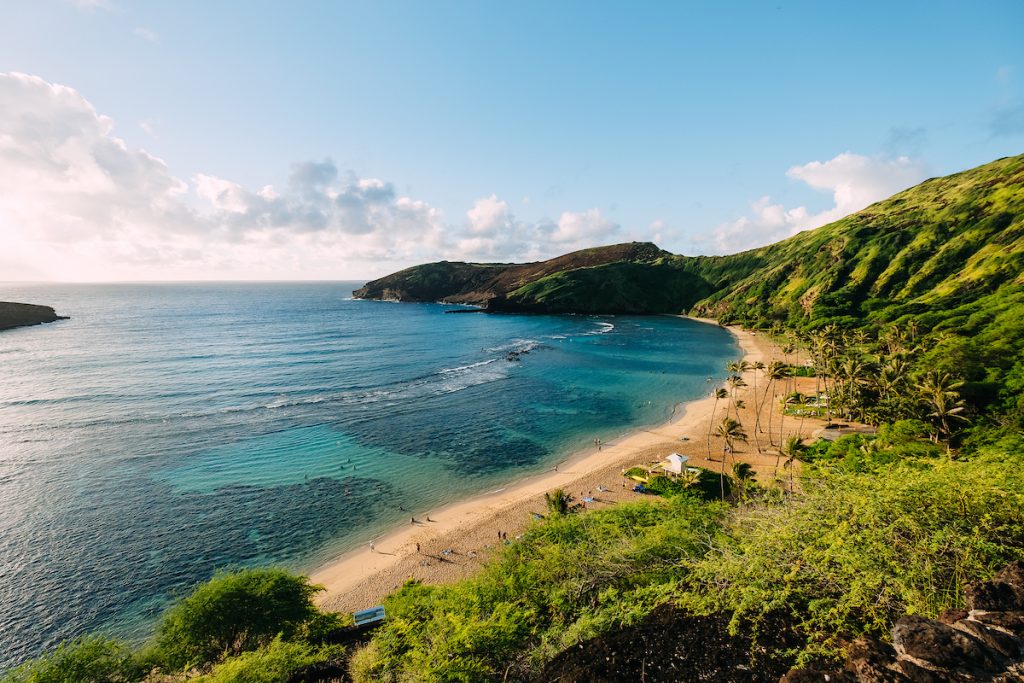
The views of Hanauma Bay are simply breathtaking, but what’s beneath the surface is even more captivating. The reef is home to hundreds of species of tropical fish, including colorful butterflyfish, parrotfish and humuhumunukukuāpuaʻa. To keep these species healthy and thriving, government, private groups and community activists work hard to protect the marine habitat.
The bay, a popular snorkeling spot for families since it’s relatively sheltered and manned by lifeguards, was once a favorite spot for paddlers and a fishing area for Hawaiian aliʻi. It also holds historical and cultural significance. In 1967, the Hanauma Bay Nature Preserve was designated as Hawaiʻi’s first Marine Life Conservation District. Reservations are required for out-of-state visitors and can be made here.
READ MORE: 12 Tips on Spending the Day at Hanauma Bay on Oʻahu
2. Shark’s Cove, Oʻahu
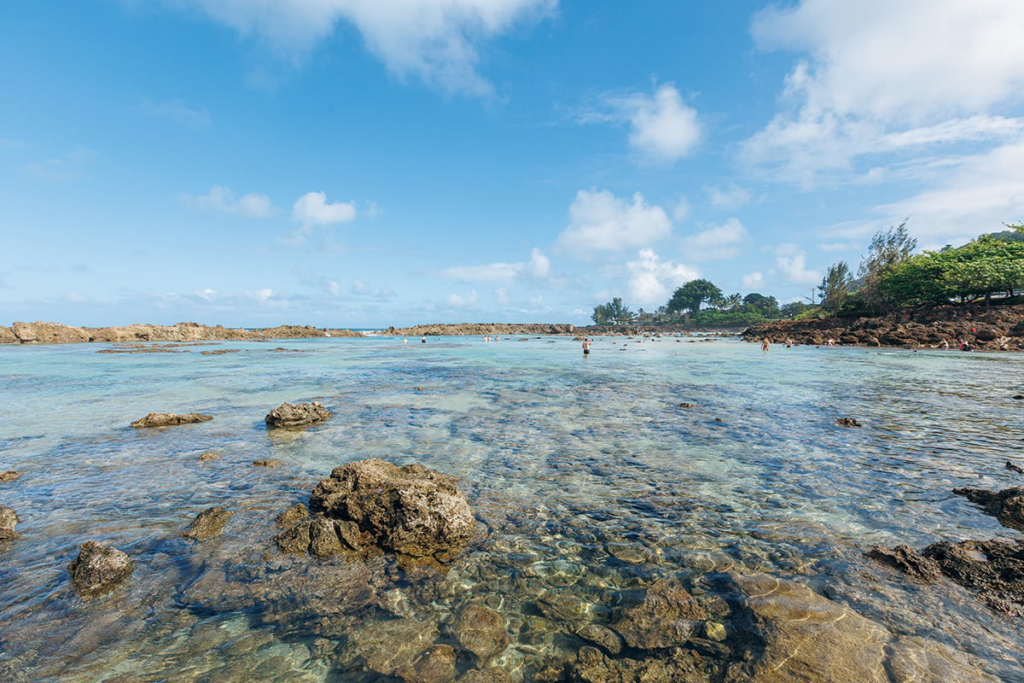
Photo: Aaron K. Yoshino
Shark’s Cove on Oʻahu’s North Shore is known for its underwater caves and tide pools. Weaker swimmers can explore the cove’s marine life from the shallows, while deeper areas outside the cove attract more experienced snorkelers and scuba divers. If you do head into the water, look for heʻe (octopus), honu (Hawaiian green sea turtles) and a variety of fish. Be mindful of sharp, slippery rocks when entering and exiting the water.
Located on the world-famous North Shore, summer, when waters are typically calmer, is generally the best time to visit Shark’s Cove. During winter, large waves and strong currents can make the main cove and surrounding tide pools extremely dangerous.
READ MORE: A Morning with Mālama Pūpūkea-Waimea
3. Molokini, Maui

Photo: Hawaiʻi Tourism Authority (HTA)/Ron Garnett
Only reachable by boat, Molokini is a crescent-shaped volcanic islet about 3 miles off the coast of Maui—and it’s a snorkeler’s dream. The pristine waters surrounding the islet are home to hundreds of species of tropical fish. But it’s the excellent visibility that makes exploring the coral reef and marine life so memorable. On clear days, snorkelers can spot yellow tangs and parrotfish from dozens of feet away. Even on days that aren’t so clear, you won’t have to look too hard: Tiny fish often dart just inches away from swimmers.
READ MORE: 7 Tips for Snorkeling at Molokini
4. Kāʻanapali Beach, Maui
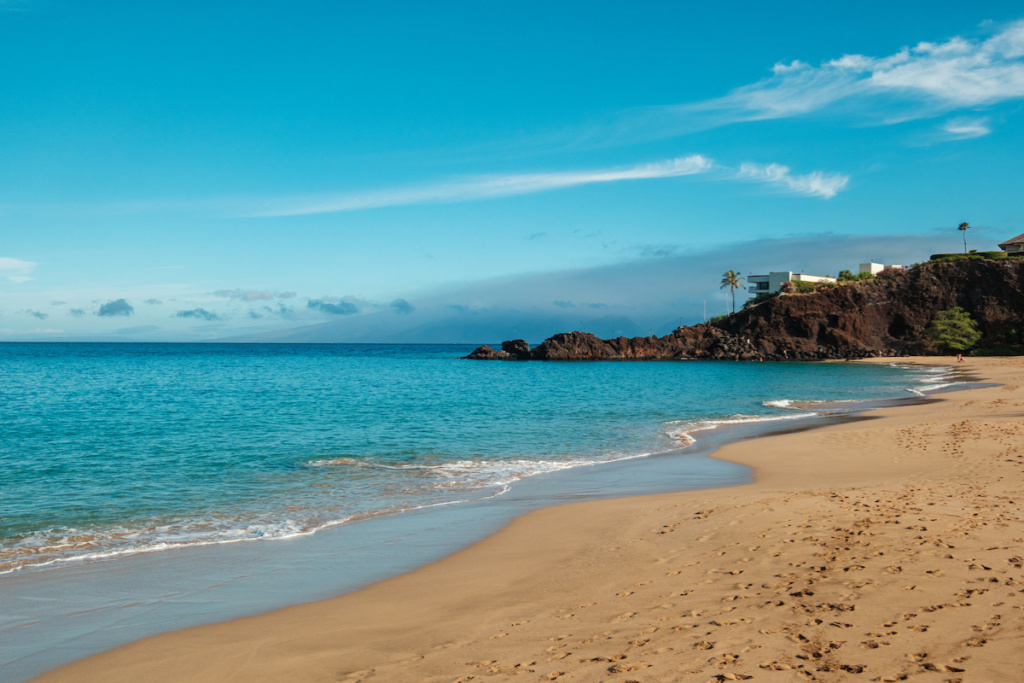
Photo: Aaron K. Yoshino
Kāʻanapali Beach consistently ranks among the best beaches in the world. Once a retreat for aliʻi, it remains a significant site for cultural activity and recreation in West Maui.
This 3-mile stretch of white sand is bordered by aquamarine waters that are great for snorkeling. Around Puʻu Kekaʻa you’ll spot plenty of life, including parrotfish, Moorish idols, tangs, butterflyfish and honu.
5. Mākua Beach, Kauaʻi
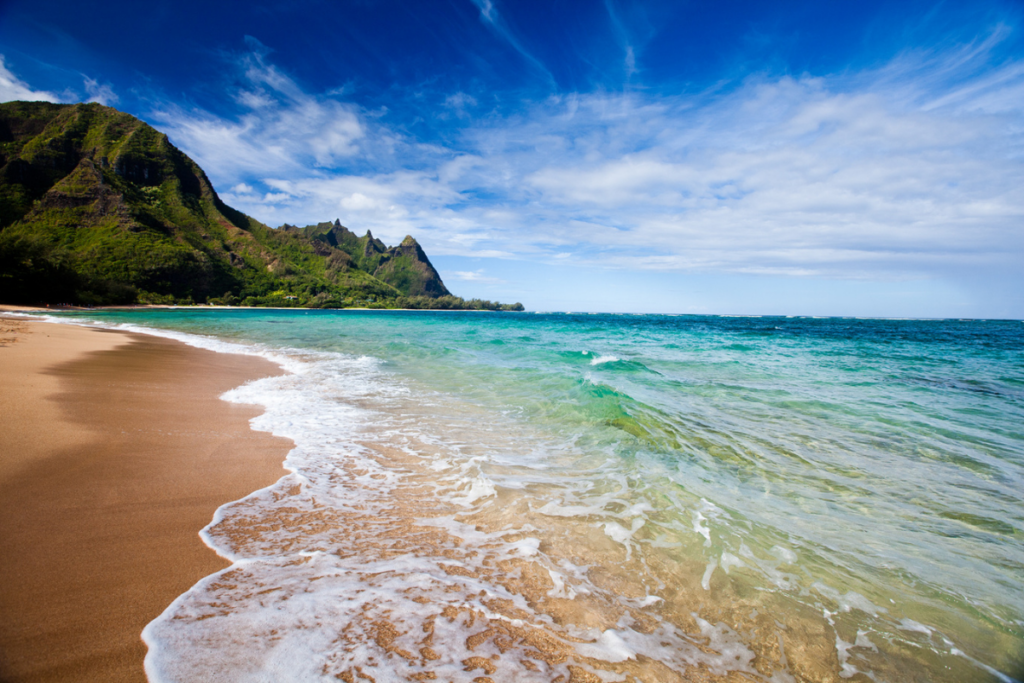
Photo: Hawaiʻi Tourism Authority (HTA)/Tor Johnson
Mākua Beach on Kauaʻi, often called Tunnels, is known for its extensive reef system and underwater lava formations. Beginner snorkelers should stick close to shore—where there’s still plenty to see. Here, snorkelers can look for unique coral formations and an array of marine life, like unicorn fish, goatfish and moray eels. More experienced swimmers can venture to the outer reef—when conditions are calm—to see even more marine species and coral formations.
Along with many snorkeling spots on Kauaʻi’s North Shore, snorkeling at Mākua is typically only possible in the summer. During the winter, large waves and strong currents can make it too dangerous. Always check ocean conditions before going.
6. Kealakekua Bay Historical Park, Hawaiʻi Island

Photo: Courtesy of Hawaiʻi Tourism Authority/Heather Goodman
About 12 miles south of Kailua-Kona, Kealakekua Bay State Historical Park is one of the best snorkeling and scuba diving sites on Hawaiʻi Island. Its relatively sheltered location provides opportunities to explore vibrant coral reefs and observe tropical fish, including yellow tang, flame angelfish and butterflyfish. Spinner dolphins even frequent the bay.
Kealakekua Bay is also an important cultural site. Capt. James Cook arrived here in January 1779. Less than a month later, fighting broke out between his crew and Native Hawaiians, and he was killed. Today, a white obelisk stands on the shore of the historical park to memorialize his arrival and death. The bay is also home to Hikiau Heiau, an important religious site associated with the Hawaiian god Lono.