Hawaiʻi is home to dozens of state parks scattered across the Islands. However, there are only a few national parks in Hawaiʻi. Like state parks, Hawaiʻi’s national parks and national historic sites are vital to protecting its natural environments and rich culture.
From witnessing a volcanic eruption at Hawaiʻi Volcanoes National Park on Hawaiʻi Island to exploring a piece of history at Kalaupapa National Historical Park on Molokaʻi, these parks preserve the Islands’ natural beauty and heritage.
These are the best national parks and memorial sites in Hawaiʻi, according to HAWAIʻI Magazine readers.
1. Hawaiʻi Volcanoes National Park, Hawaiʻi Island
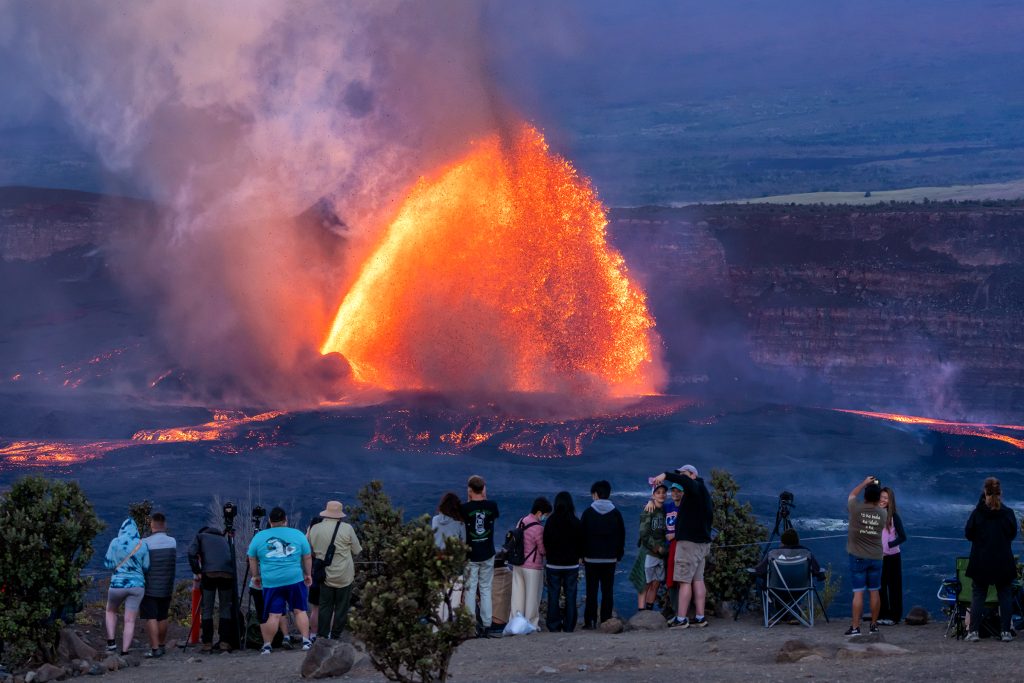
Photo: NPS Photo/J.Wei
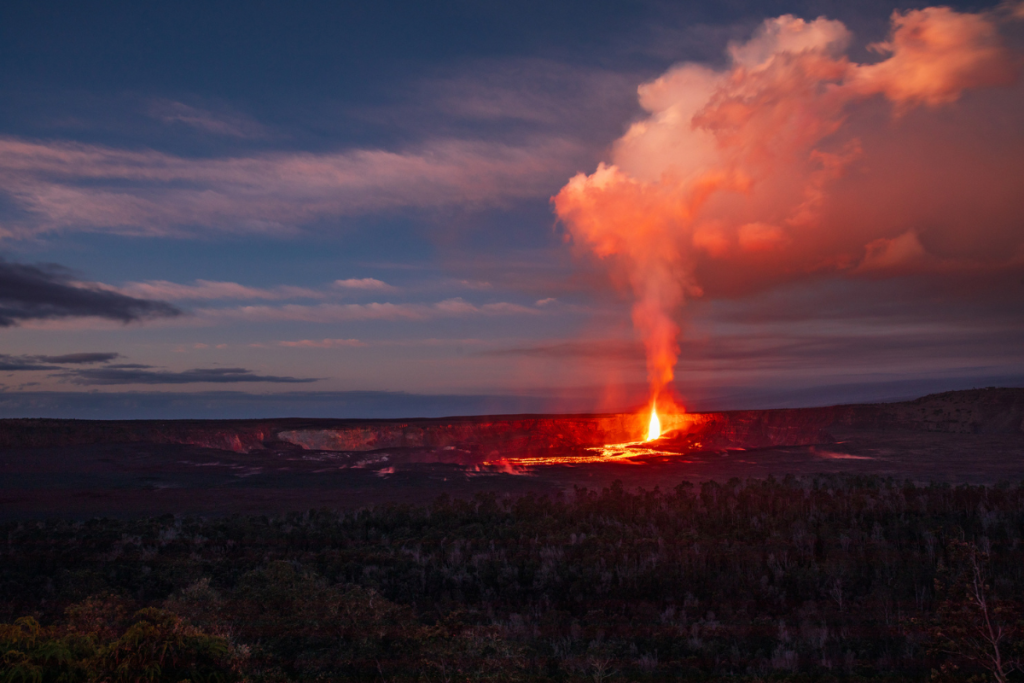
Two of the world’s most active volcanoes—Kīlauea and Mauna Loa—are located within Hawaiʻi Volcanoes National Park. Since December 2024, Kīlauea has been erupting episodically. Travelers from near and far have flocked to Hawaiʻi Volcanoes National Park to witness the awe-inspiring phenomenon.
The park is a designated International Biosphere Reserve and UNESCO World Heritage Site, protecting some of the most unique geological, biological and cherished cultural landscapes on the planet. Even when there’s no volcanic activity in the area, the park is marked with scenic trails and incredible viewpoints. After all, Hawaiʻi Volcanoes National Park is the largest national park in Hawaiʻi, spanning 323,431 acres from sea level to 13,680 feet.
2. Pearl Harbor National Memorial, Oʻahu
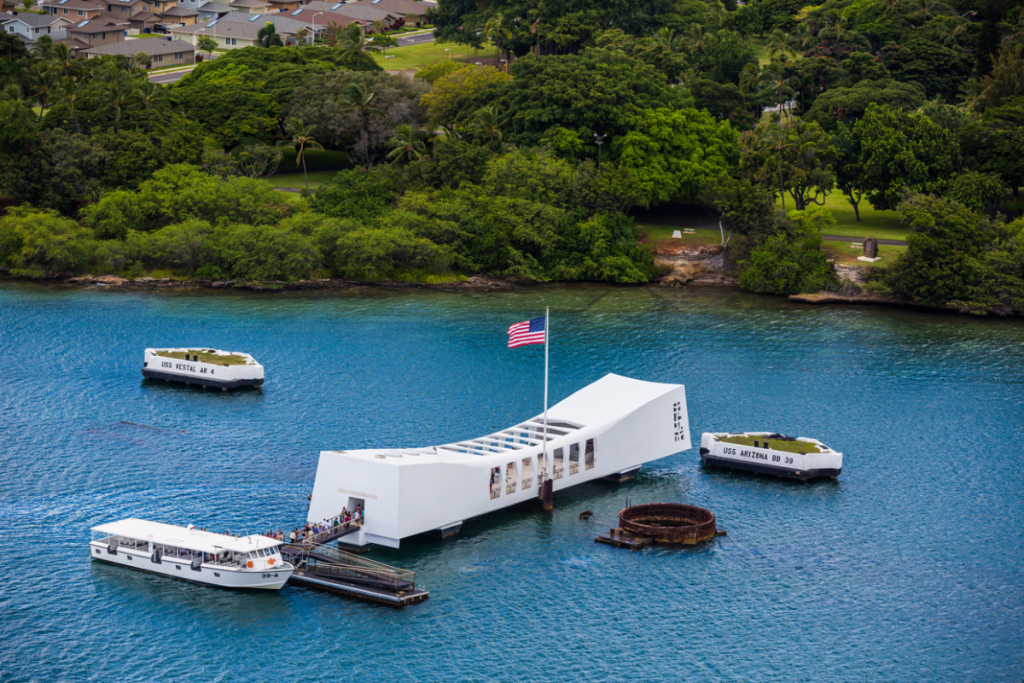
Photo: Hawaiʻi Tourism Authority (HTA)/Tor Johnson
Pearl Harbor National Memorial on Oʻahu commemorates the lives affected by the attack on the naval base on Dec. 7, 1941. This monumental day marked the United States’ entry into World War II. Now, more than 80 years later, the national memorial is home to relics of the Second World War and includes the USS Arizona Memorial, which thousands of people visit every day. You can also visit museums and exhibits, like the Pearl Harbor Aviation Museum and the Battleship Missouri Memorial.
3. Haleakalā National Park, Maui

Photo: Jerry Maeda
Known as the “house of the sun,” Haleakalā towers over the island of Maui. Haleakalā National Park spans more than 30,000 acres from the southeastern coast to the summit—which reaches a height of 10,023 feet above sea level. The park is covered in diverse terrain and encompasses important cultural places and historic sites. In the summit area, you can venture into Haleakalā Crater, trekking through an otherworldly landscape. In the park’s Kīpahulu District, which is accessed in Hāna, you can hike to the 400-foot Waimoku Falls. As you walk along the Kūloa Point and Pīpīwai Trails, you can also see evidence of the Kīpahulu coastal village that was once there.
4. Kalaupapa National Historical Park, Molokaʻi
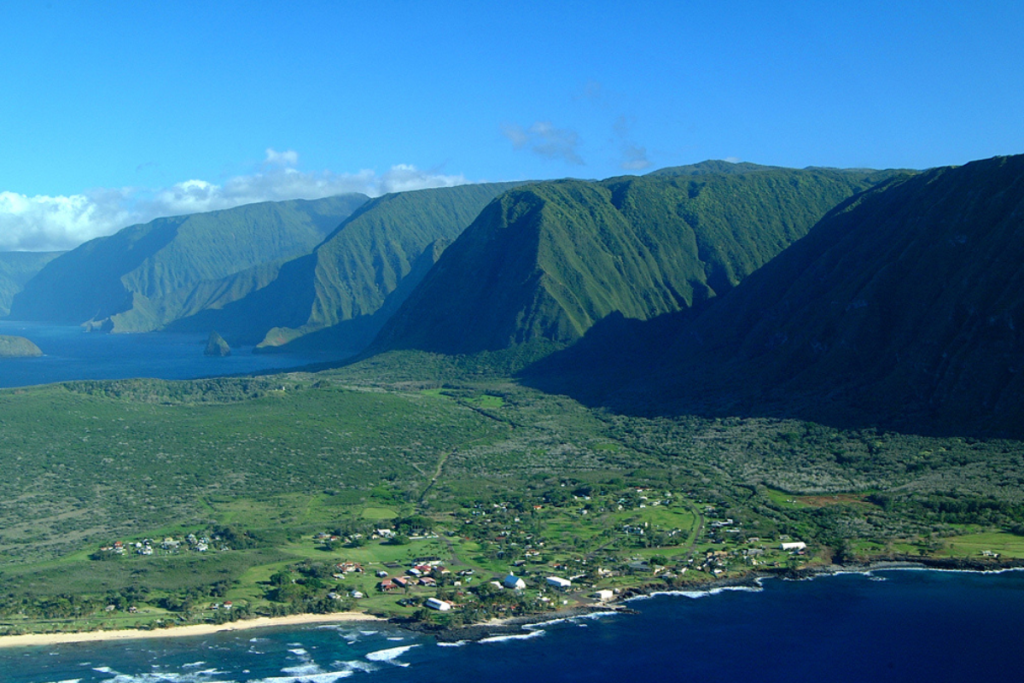
Photo: Hawaiʻi Tourism Authority (HTA)/Ron Garnett
Located on a remote corner of Molokaʻi’s northern coast, Kalaupapa National Historical Park holds an important and tragic part of Hawaiʻi’s history. Serving as an isolation settlement for those with Hansen’s disease, thousands were banished to live out their lives on the Kalaupapa peninsula. The first patients were forcibly sent to this area beginning in 1866. Even during these terrible circumstances, new communities were created and bonds were forged by these resilient patients. Unfortunately, prior to a cure, more than 8,000 people died at Kalaupapa.
In 1980, Kalaupapa National Historical Park was established to preserve the experiences of the people sent here. It’s also a place of education about Hansen’s disease. The park’s mission is to provide a safe community that ensures the current patient-residents of the Kalaupapa Settlement may live their lives peacefully and comfortably.
Note: It is required by law to secure a permit prior to entering Kalaupapa National Historical Park.
5. Puʻuhonua Hōnaunau National Historical Park, Hawaiʻi Island
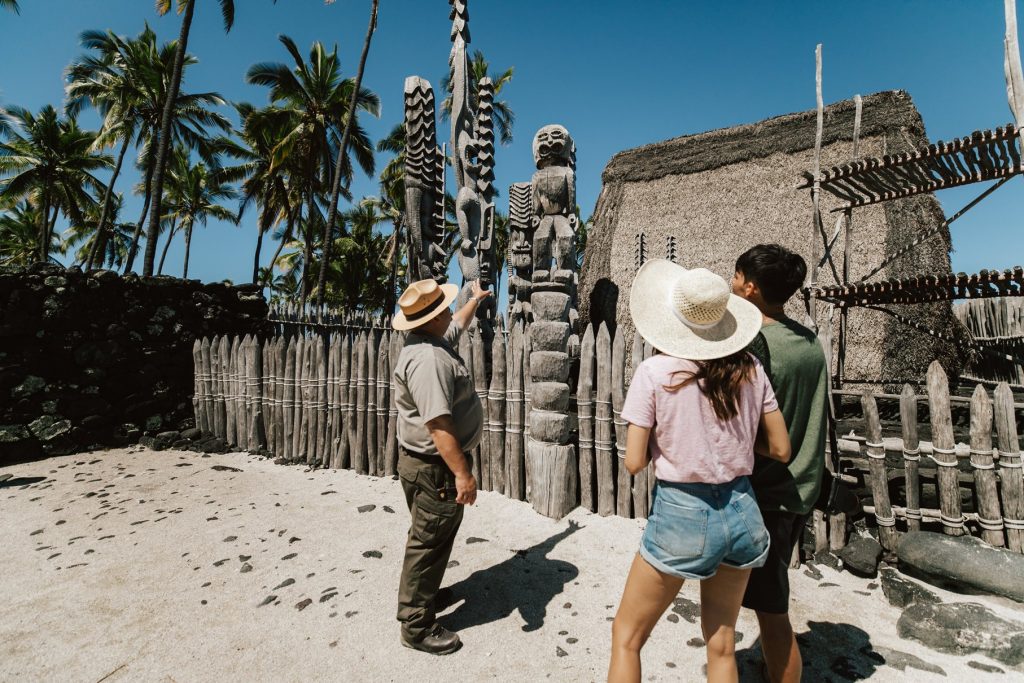
Photo: Hawaiʻi Tourism Authority (HTA)/Heather Goodman
Puʻuhonua o Hōnaunau is a 180-acre national historical park located at Hōnaunau Bay in South Kona on Hawaiʻi Island. The area was once a place of refuge in ancient Hawaiʻi. Those who broke kapu, or sacred laws, could face severe penalties, including death. However, they could avoid execution by fleeing to a place of refuge, or puʻuhonua, a sanctuary or asylum. In these safe areas, the offender could be absolved by one of the sanctuary’s priests and then eventually leave. Puʻuhonua sites also protected defeated warriors and civilians during times of battle.
Today, Puʻuhonua o Hōnaunau serves as a place of refuge and preservation for Hawaiian history and culture. You can explore a coastal village featuring reconstructed hale, temple platforms, royal fishponds, sledding tracks and more.
See all of the winners of our 2026 Readers’ Choice Awards in our latest issue, which you can buy here. Better yet, subscribe and get HAWAIʻI Magazine delivered right to your mailbox.